
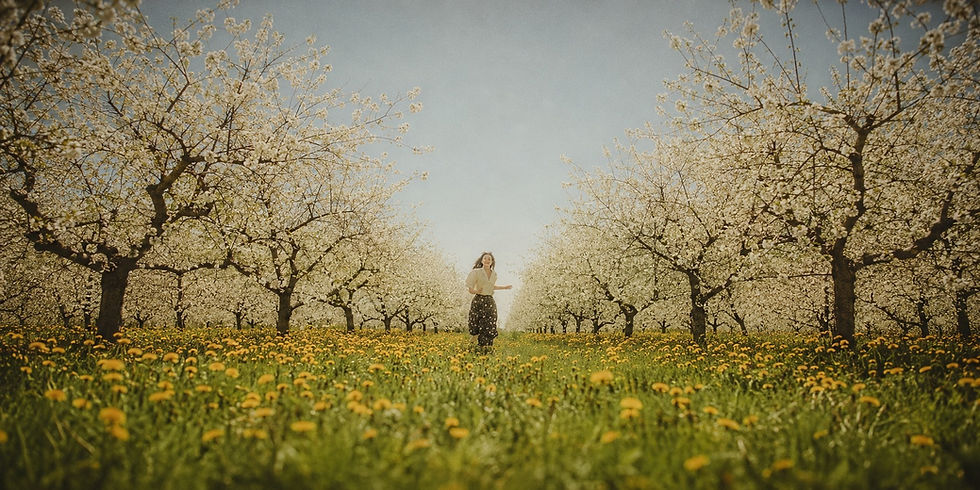
Friluftsliv
a mindful journey into nature
For those of us living with a chronic illness, a holistic approach to wellness can make a significant difference. One such approach, rooted in Scandinavian tradition, is friluftsliv. Friluftsliv (pronounced free-loofts-liv) is a combination of the Norwegian words for “free,” “air” and “life,” and best translates as "open-air living."

What is friluftsliv?
Friluftsliv is a philosophy that encourages people to immerse themselves in nature, regardless of the season or weather. It involves outdoor activities such as hiking, walking, camping, or simply enjoying the beauty of the natural world. The essence of friluftsliv lies in experiencing nature directly and mindfully.

The Benefits of Friluftsliv
For people with a chronic illness physical activities can be very challenging, but the gentle, mindful approach of friluftsliv can help:
Reduced Stress and Anxiety
Spending time in nature has been shown to lower cortisol levels, reducing stress and anxiety. The calming effect of natural surroundings can help ease the mental burden that often accompanies fibromyalgia.

Improved Sleep Quality
Exposure to natural light during the day helps regulate circadian rhythms, promoting better sleep. Improved sleep quality can, in turn, alleviate some of the symptoms of fibromyalgia.
Gentle Physical Activity
Engaging in light outdoor activities, such as walking or gentle hiking, can help maintain physical fitness without overexertion. This can lead to improved muscle strength and reduced pain.
Enhanced Mood and Mental Health
Nature's beauty and tranquility can elevate mood and provide a sense of well-being. The practice of mindfulness in nature can help individuals with fibromyalgia manage their symptoms and improve their overall mental health.
Social Connection
Participating in outdoor activities with friends or support groups can foster a sense of community and reduce feelings of isolation, which are common among those with chronic illnesses.

How to incorporate friluftsliv into your life
Start Small: Begin with short, manageable outdoor activities. A gentle walk in a local park or sitting in your garden can be a good start. Gradually increase the duration and intensity as you become more comfortable.
Be Mindful: Practice mindfulness while outdoors. Pay attention to the sights, sounds, and smells around you. Allow yourself to fully experience and appreciate the natural world.
Dress Appropriately: Ensure you are dressed for the weather to stay comfortable. Layering your clothing can help you adjust to changing conditions.
Listen to Your Body: Respect your body's limits and avoid pushing yourself too hard. The goal is to enjoy nature without causing additional pain or fatigue.
Find a Community: Join local groups or online communities that share your interest in friluftsliv. Connecting with others can provide motivation and support.
Mild Friluftsliv Activities
Embracing friluftsliv doesn’t require strenuous activities. Here are some gentler ways to enjoy the outdoors and benefit from the healing power of nature:
Seated Outdoor Stretching
Sit on a bench, blanket, or chair and gently stretch your arms, neck, and back. Breathe into each movement without force. Even small stretches can bring relief when paired with fresh air and birdsong. Let nature’s presence guide your awareness inward and soften your body.

Barefoot Walking
Walking barefoot on soft earth, grass, or sand stimulates the nervous system and strengthens small muscles in the feet and legs. The sensation of cool soil or warm sand beneath your feet offers grounding and emotional calm. Begin with just a few minutes and build up slowly.
Slow Nature Strolls
A slow, mindful stroll along a forest path, lakeside trail, or garden walkway invites gentle movement without strain. By pausing often to observe textures, bird songs, or dappled sunlight, you turn walking into a healing ritual. Let nature’s rhythm set your pace, not your watch.
Sitting by a Campfire
Sitting beside a crackling fire provides gentle warmth to soothe aching muscles while offering emotional comfort. Watch the flames dance, sip herbal tea, or simply breathe in the woodsy air. Even a small backyard fire can create a sacred space for grounding and peace.


Gentle Gardening
Gardening doesn’t have to be strenuous. Light tasks like planting herbs, watering flowers, or harvesting a few vegetables offer quiet strength training for your hands and arms. It also fosters connection with living things and seasonal rhythms. Wear gloves and take breaks to protect your joints.

Tree Hugging
Standing quietly beside a tree with your hand resting on its bark helps shift your nervous system into a calm state. Trees regulate the air and seem to regulate emotions, too. Breathe slowly with the forest, as if exchanging stillness with your surroundings.
Wildflower Observation
Find a quiet patch of flowers and sit awhile. Notice their colors, textures, and shapes. If you're inclined, sketch what you see or press a bloom into your journal. Observing beauty mindfully becomes a soothing, creative meditation that gently engages your senses and fine motor skills.


Stream or Lakeside Wading
Wading in shallow water on a warm day eases inflammation and offers playful movement for tired joints. Let the water swirl around your ankles as you breathe in the fresh air. If walking feels too much, simply sit and soak your feet while watching the ripples.

Star Gazing
Lie on a blanket and let your gaze wander upward. During the day, trace the shapes of clouds. At night, watch the stars slowly shift. These quiet practices require no effort, yet open a doorway to wonder, perspective, and deep nervous system regulation.
Mindful Leaf Collecting
Take a walk and pick up one or two leaves that catch your eye. Study their textures, veins, and edges. Let yourself slow down and notice the uniqueness of each one. Later, press them in a book or journal to extend the pleasure of the moment.

Stone or Shell Gathering
Wander slowly along a riverbank or beach, looking for stones or shells that appeal to you. Their textures and shapes offer a gentle tactile meditation. Carrying a few treasures in your pocket or basket can feel grounding, and arranging them later at home extends the joy.
Outdoor Tea Time or Picnics
Prepare a simple picnic or bring a thermos of tea to your favorite outdoor spot. Sitting in nature while sipping slowly nourishes both body and spirit. Let this ritual become a way to reconnect with stillness and the world around you.


